

Biological Role of Iron

Iron is a critical component of hemoglobin, the protein in red blood cells that carries oxygen from the lungs to tissues, and myoglobin, which stores and releases oxygen in muscles Wikipedia+1. It also plays a key role in cellular respiration, as part of iron–sulfur clusters and heme groups in mitochondria, facilitating ATP production through oxidative phosphorylation Wikipedia. Iron is involved in enzyme function, electron transfer, and redox reactions, making it vital for metabolism and overall cellular health Wikipedia.
Health Benefits

Adequate iron levels help maintain energy, cognitive function, and immune system efficiency. Iron deficiency can lead to iron-deficiency anemia, causing fatigue, weakness, shortness of breath, and impaired immunity clevelandclinic.org+1. Pregnant women, menstruating individuals, and those with high blood loss are at higher risk of deficiency Harvard University+1. Iron also supports brain function, including neurotransmitter synthesis and nerve signaling clevelandclinic.org.
Dietary Requirements
The Recommended Dietary Allowance (RDA)varies by age, sex, and physiological status: adult men need 8 mg/day, women 19–50 years need 18 mg/day, pregnant women require 27 mg/day, and lactating women need 9–10 mg/day Harvard University. Adolescents and older adults have slightly different requirements. The Tolerable Upper Intake Level (UL) for adults is 45 mg/day to avoid toxicity Harvard University.
Sources of Iron
Iron occurs in two forms:
- Heme iron: Found in meat, poultry, and seafood; highly bioavailable Harvard University+1.
- Non-heme iron: Found in plant foods like beans, lentils, nuts, seeds, dark leafy greens, and fortified grains; absorption is enhanced by vitamin C and inhibited by phytates, tannins, and high calcium intake Harvard University+1.
Iron supplements are available for those with deficiency or increased needs, but high doses can cause nausea, constipation, and stomach discomfort Harvard University+1.
Iron Absorption and Metabolism
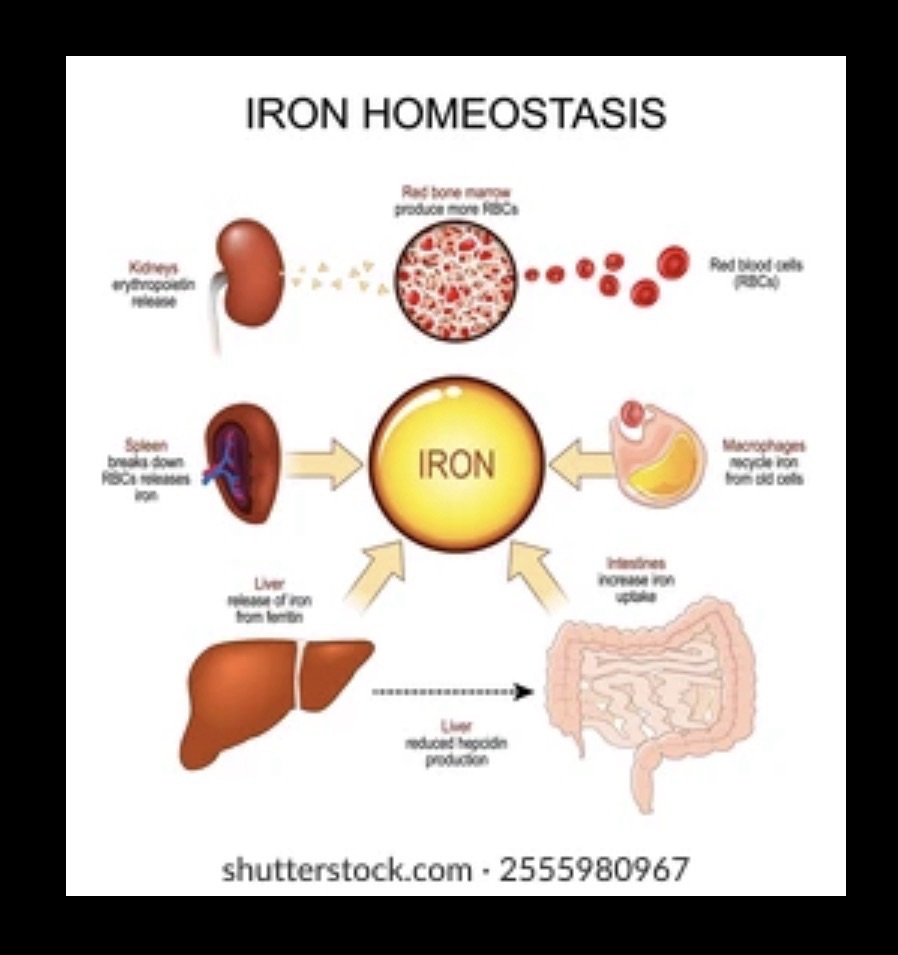
Iron is absorbed in the small intestine and transported in the blood bound to transferrin. Most body iron is stored in hemoglobin, with smaller amounts in ferritin and myoglobin. Free iron is potentially toxic because it can generate free radicals, so the body tightly regulates iron levels Wikipedia.
Summary
Iron is indispensable for oxygen transport, energy production, and immune function. Maintaining adequate iron intake through diet or supplements when necessary is crucial for overall health, particularly for individuals at higher risk of deficiency. Monitoring iron levels helps prevent both deficiency and toxicity, ensuring optimal physiological function Harvard University+2.
